Susinsight Logo
Search by Topic
No topics matching ""

HomeSignalsPolicy in Practice

What African Cities Can Learn from Kigali's Green Corridors

Across Africa’s crowded capitals, Kigali’s cleaner air shows how small design choices like tree-lined paths and car-free zones can quietly change urban life.
What African Cities Can Learn from Kigali's Green Corridors

Published

November 3, 2025

Read Time

5 min read

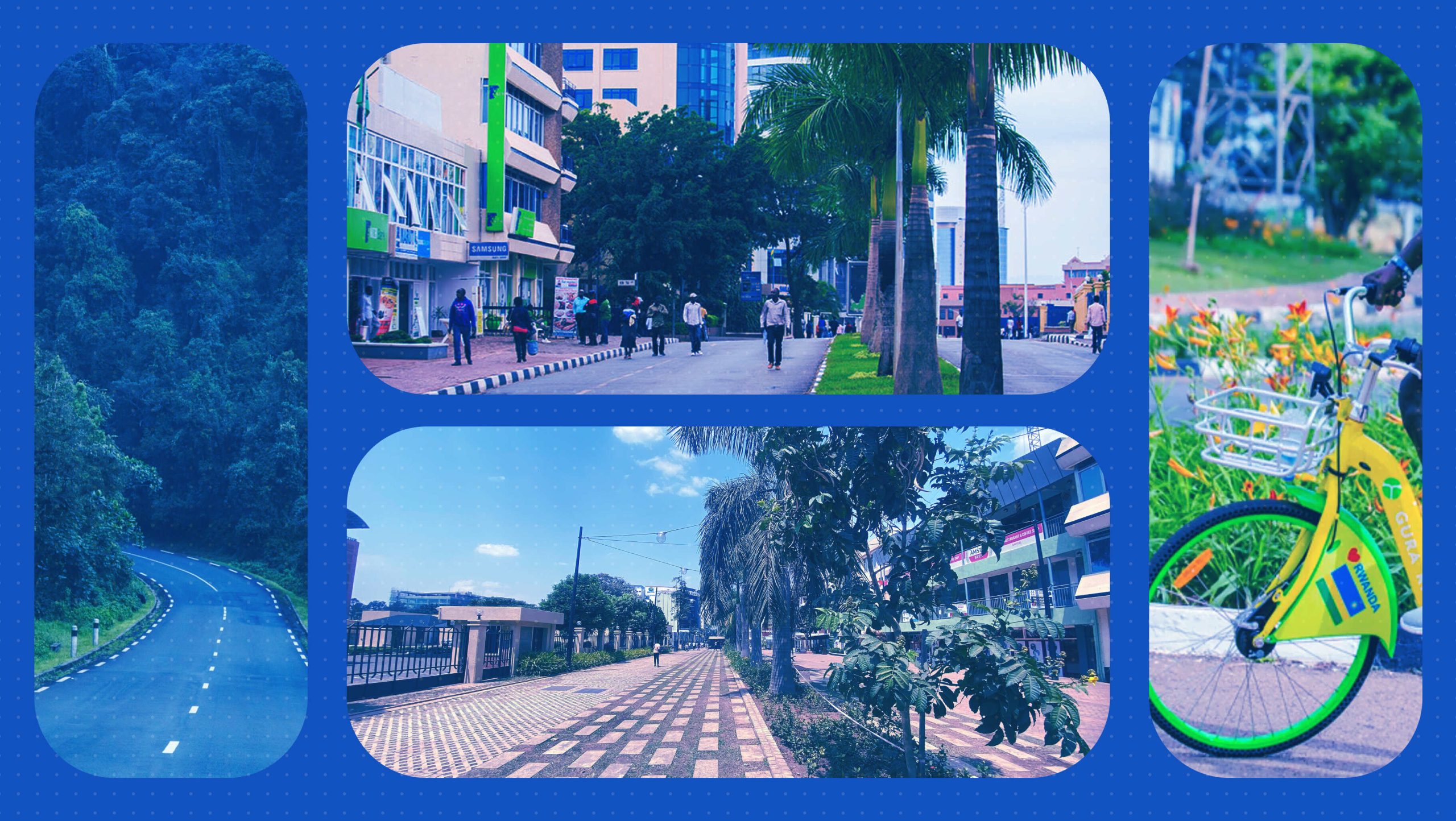
Morning light filters through rows of young trees in Kigali's car-free zones. Cyclists glide past trimmed hedges, and vendors set up shop beside walkways lined with flowering shrubs. The air feels lighter. For many Rwandans, this is more than city beautification; it's proof that policy can breathe life back into polluted urban centers.

Kigali's green corridors didn't appear overnight. They were born from necessity. Across Africa, the cost of dirty air is staggering. In 2019, toxic pollution killed 1.1 million people across the continent, more than deaths from tobacco, alcohol, car accidents, and unsafe water combined. Outdoor air pollution alone will claim 930,000 lives each year by 2030 and 1.6 million by 2063. Those numbers should alarm anyone shaping cities for growth.

The story by Adetoro Adetayo was explored in Who Will Keep Paying the Price for Polluted Air?, a sweeping look at how Africa's industrial rise is colliding with a worsening health crisis. Among the grim statistics, Kigali stood out as a small city quietly redefining what clean urban living can look like.

While other capitals drown under smog, Rwanda's approach is deliberate. The government banned cars in selected districts, opened pedestrian zones, and began developing interconnected green corridors that cut across the city. These green stretches do more than absorb carbon; they cool streets, reduce fine particulate matter, and create public spaces that promote healthier habits. Data already points to results: localized air pollution in the city has dropped by roughly 10%.

For a continent where six of the world's ten largest nitrogen dioxide (NO₂) hotspots are located, that is no small achievement. Mpumalanga in South Africa remains one of the most polluted regions globally, with twelve coal-fired power plants releasing toxins that drift as far as Johannesburg and Pretoria. Cairo, Lagos, and Accra face similar conditions, where industrial fumes, open waste burning, and vehicle emissions combine into dense urban haze. Kigali's clean-air model shows another path, one that balances growth with breathable air.


1. City Planning as a Public Health Tool

Rwanda treats air quality as a health investment, not a decorative policy. Every 185 Nigerian children under five who die daily from pneumonia linked to air pollution represent a policy failure that could have been prevented. Kigali's green corridors, in contrast, are an intervention in urban infrastructure built to protect lungs and livelihoods.

Other governments could take note. Ethiopia's Green Legacy Initiative has planted 25 billion trees since 2019, reducing particulate matter in Addis Ababa's air. But few countries have integrated such actions into their city design. Planning departments and ministries of health rarely collaborate, even though air pollution kills more Africans annually than HIV, malaria, or unsafe water combined.

Cities that redesign public spaces for cleaner air, wider walkways, public gardens, and open-air transport hubs aren't just reducing emissions; they're cutting hospital bills and increasing productivity. Cleaner air means fewer missed workdays and sharper cognitive performance. Research shows air pollution erases nearly 1.96 billion IQ points across Africa every year. That's a silent crisis affecting both classrooms and boardrooms.

2. Local Solutions with Scalable Impact

Urban greening is low-cost, but its returns multiply. Tree belts act as natural air filters and wind barriers, absorbing pollutants that would otherwise linger at ground level. Kigali's approach combines vegetation with transport reform, a model others can adapt without waiting for international aid.

Kenya's Octavia Carbon is piloting direct air capture in the Rift Valley, and Addis Ababa's Reppie Plant processes 1,400 tonnes of waste daily to generate electricity for nearly a third of the city's homes. These are high-tech fixes. Kigali's is low-tech, but both serve the same purpose: cutting particulate emissions and reclaiming city air. What matters is fit. Every city has different starting points, but all can act.

3. Data and Policy Must Walk Together

One reason many African cities lag is the lack of real-time monitoring. Without consistent air quality data, enforcement collapses. Botswana's policies overlook vehicle pollution, while Nigeria's regulatory framework is split across multiple agencies, leaving gaping holes. Ghana and Ethiopia have plans but suffer from chronic underfunding.

Rwanda's integration of planning, environment, and public health ministries gives it a head start. Decisions are data-backed and aligned with daily life. The lesson isn't just about trees or walkways but about coordination. The Africa Clean Air Program and CLEAN-Air Africa Network have shown that shared data and research partnerships can accelerate progress, but execution at the city level remains the test. Kigali's example proves integration is possible.

4. Every Breath Has an Economic Value

Air pollution drained $3 billion from Ethiopia's economy in 2019, $1.6 billion from Ghana's, and $349 million from Rwanda's. Those are not abstract numbers; they represent GDP lost to illness and early death. Green corridors cost money to build, but they also protect future productivity. Each cleaner street is an investment in longer lives and stronger economies.

Africa's industrial GDP could rise by 130%, pushing total output beyond $4.6 trillion, but growth tied to fossil fuels will worsen pollution and health costs. Cities that delay clean-air policies will pay for it twice, first in hospital bills, then in shrinking workforces.


Kigali's experience doesn't suggest every city should copy its design. It shows how consistent policy, public participation, and practical investment can improve urban air quality. Clean cooking programs, solar expansion, and circular waste projects complement such efforts, but city design remains the foundation.

Governments can start small: identify high-emission zones, create pedestrian corridors, and plant vegetation buffers around factories and traffic routes. Urban planners and local councils can learn from Kigali's balance of mobility and green space. Policymakers can integrate health indicators into every environmental regulation. Investors can back urban projects with measurable air-quality outcomes.

Africa's air doesn't need to remain a casualty of growth. Cleaner cities are possible and necessary. Kigali proves that a well-planned city can breathe. The rest of the continent just needs to follow that rhythm.

Share
Clap

Written By

The Insight Desk
The Insight Desk

The Insight Desk delivers strategic intelligence on African sustainability and development for investors, founders, professionals, policymakers, and citizens.

More Related Stories

The COVID-19 Lessons Every African Healthtech Founder Should Know

The COVID-19 Lessons Every African Healthtech Founder Should Know

byThe Insight DeskOct 5, 2025

COVID-19 exposed Africa’s fragile health systems, but it also revealed practical lessons in telemedicine, mobility, and data that founders must embrace.

Read More
The Massive Opportunities for African Founders in Health Diagnostics and Last-Mile Care

The Massive Opportunities for African Founders in Health Diagnostics and Last-Mile Care

byThe Insight DeskJan 19, 2026

Outbreaks keep exposing diagnostic delays and last-mile gaps, inviting founders to build fast health diagnostics and delivery tools communities trust.

Read More
Lagos Fashion Week Wins 2025 Earthshot Prize

Lagos Fashion Week Wins 2025 Earthshot Prize

byThe Trending DeskNov 15, 2025

On November 5, 2025, Lagos Fashion Week received a £1 million Earthshot Prize in Rio. Africa’s first circular fashion hub is now on the way.

Read More
Mental Health in Mining Is Becoming a Survival Issue in the DRC and Grassroots Action Is Responding

Mental Health in Mining Is Becoming a Survival Issue in the DRC and Grassroots Action Is Responding

byBlossom AmenaMar 22, 2026

Millions depend on artisanal mining, but conflict and poor conditions are driving distress. Local organisations and peer groups are offering practical support.

Read More
Africa Is Tired of Promises. It Wants Power Over Its Climate Future.

Africa Is Tired of Promises. It Wants Power Over Its Climate Future.

byTomi AbeSep 15, 2025

At the 2025 Africa Climate Summit in Addis Ababa, leaders launched a $50 billion plan to fund homegrown solutions. Can they close the $190 billion gap?

Read More
South Africa Closes Historic G20 Summit Amid U.S. Boycott

South Africa Closes Historic G20 Summit Amid U.S. Boycott

byThe Trending DeskNov 23, 2025

On November 23, 2025, South Africa officially closed the G20 summit’s first-ever African edition in Johannesburg without the customary U.S. handover, putting African priorities in the global spotlight.

Read More
Africa’s Digital Data Fuels Global AI. But Who Owns the Value It Creates?

Africa’s Digital Data Fuels Global AI. But Who Owns the Value It Creates?

byAdetumilara AdetayoMar 15, 2026

New policies, research networks, and open-source AI projects are working to turn Africa’s data into local innovation instead of digital extraction.

Read More
Africa's Agritech Crash Is Teaching Farmers How to Build What Lasts

Africa's Agritech Crash Is Teaching Farmers How to Build What Lasts

byThelma IdeozuNov 5, 2025

From failed startups to smarter systems, Africa's agriculture innovators are learning that trust, patience, and local design—not venture capital—may be the real seeds of resilience.

Read More
COP30 Showed Why Africa Must Lead the Next Phase of Climate Action

COP30 Showed Why Africa Must Lead the Next Phase of Climate Action

byAdetoro AdetayoNov 26, 2025

The continent isn’t asking for charity; it’s building energy systems, financing models, and industries that could shape the global green economy.

Read More
Inside the Push for Disability-Inclusive Housing in Cape Town

Inside the Push for Disability-Inclusive Housing in Cape Town

byAdetoro AdetayoAug 24, 2025

Policy promises exist on paper, but township residents are finding solutions through nonprofits, advocacy, and architectural innovation that could transform housing delivery.

Read More
The COVID-19 Lessons Every African Healthtech Founder Should Know

The COVID-19 Lessons Every African Healthtech Founder Should Know

byThe Insight DeskOct 5, 2025

COVID-19 exposed Africa’s fragile health systems, but it also revealed practical lessons in telemedicine, mobility, and data that founders must embrace.

Read More
The Massive Opportunities for African Founders in Health Diagnostics and Last-Mile Care

The Massive Opportunities for African Founders in Health Diagnostics and Last-Mile Care

byThe Insight DeskJan 19, 2026

Outbreaks keep exposing diagnostic delays and last-mile gaps, inviting founders to build fast health diagnostics and delivery tools communities trust.

Read More
Lagos Fashion Week Wins 2025 Earthshot Prize

Lagos Fashion Week Wins 2025 Earthshot Prize

byThe Trending DeskNov 15, 2025

On November 5, 2025, Lagos Fashion Week received a £1 million Earthshot Prize in Rio. Africa’s first circular fashion hub is now on the way.

Read More
Mental Health in Mining Is Becoming a Survival Issue in the DRC and Grassroots Action Is Responding

Mental Health in Mining Is Becoming a Survival Issue in the DRC and Grassroots Action Is Responding

byBlossom AmenaMar 22, 2026

Millions depend on artisanal mining, but conflict and poor conditions are driving distress. Local organisations and peer groups are offering practical support.

Read More
Africa Is Tired of Promises. It Wants Power Over Its Climate Future.

Africa Is Tired of Promises. It Wants Power Over Its Climate Future.

byTomi AbeSep 15, 2025

At the 2025 Africa Climate Summit in Addis Ababa, leaders launched a $50 billion plan to fund homegrown solutions. Can they close the $190 billion gap?

Read More
South Africa Closes Historic G20 Summit Amid U.S. Boycott

South Africa Closes Historic G20 Summit Amid U.S. Boycott

byThe Trending DeskNov 23, 2025

On November 23, 2025, South Africa officially closed the G20 summit’s first-ever African edition in Johannesburg without the customary U.S. handover, putting African priorities in the global spotlight.

Read More
Africa’s Digital Data Fuels Global AI. But Who Owns the Value It Creates?

Africa’s Digital Data Fuels Global AI. But Who Owns the Value It Creates?

byAdetumilara AdetayoMar 15, 2026

New policies, research networks, and open-source AI projects are working to turn Africa’s data into local innovation instead of digital extraction.

Read More
Africa's Agritech Crash Is Teaching Farmers How to Build What Lasts

Africa's Agritech Crash Is Teaching Farmers How to Build What Lasts

byThelma IdeozuNov 5, 2025

From failed startups to smarter systems, Africa's agriculture innovators are learning that trust, patience, and local design—not venture capital—may be the real seeds of resilience.

Read More
COP30 Showed Why Africa Must Lead the Next Phase of Climate Action

COP30 Showed Why Africa Must Lead the Next Phase of Climate Action

byAdetoro AdetayoNov 26, 2025

The continent isn’t asking for charity; it’s building energy systems, financing models, and industries that could shape the global green economy.

Read More
Inside the Push for Disability-Inclusive Housing in Cape Town

Inside the Push for Disability-Inclusive Housing in Cape Town

byAdetoro AdetayoAug 24, 2025

Policy promises exist on paper, but township residents are finding solutions through nonprofits, advocacy, and architectural innovation that could transform housing delivery.

Read More
The COVID-19 Lessons Every African Healthtech Founder Should Know

The COVID-19 Lessons Every African Healthtech Founder Should Know

byThe Insight DeskOct 5, 2025

COVID-19 exposed Africa’s fragile health systems, but it also revealed practical lessons in telemedicine, mobility, and data that founders must embrace.

Read More
The Massive Opportunities for African Founders in Health Diagnostics and Last-Mile Care

The Massive Opportunities for African Founders in Health Diagnostics and Last-Mile Care

byThe Insight DeskJan 19, 2026

Outbreaks keep exposing diagnostic delays and last-mile gaps, inviting founders to build fast health diagnostics and delivery tools communities trust.

Read More
Lagos Fashion Week Wins 2025 Earthshot Prize

Lagos Fashion Week Wins 2025 Earthshot Prize

byThe Trending DeskNov 15, 2025

On November 5, 2025, Lagos Fashion Week received a £1 million Earthshot Prize in Rio. Africa’s first circular fashion hub is now on the way.

Read More
Mental Health in Mining Is Becoming a Survival Issue in the DRC and Grassroots Action Is Responding

Mental Health in Mining Is Becoming a Survival Issue in the DRC and Grassroots Action Is Responding

byBlossom AmenaMar 22, 2026

Millions depend on artisanal mining, but conflict and poor conditions are driving distress. Local organisations and peer groups are offering practical support.

Read More
Africa Is Tired of Promises. It Wants Power Over Its Climate Future.

Africa Is Tired of Promises. It Wants Power Over Its Climate Future.

byTomi AbeSep 15, 2025

At the 2025 Africa Climate Summit in Addis Ababa, leaders launched a $50 billion plan to fund homegrown solutions. Can they close the $190 billion gap?

Read More
South Africa Closes Historic G20 Summit Amid U.S. Boycott

South Africa Closes Historic G20 Summit Amid U.S. Boycott

byThe Trending DeskNov 23, 2025

On November 23, 2025, South Africa officially closed the G20 summit’s first-ever African edition in Johannesburg without the customary U.S. handover, putting African priorities in the global spotlight.

Read More
Africa’s Digital Data Fuels Global AI. But Who Owns the Value It Creates?

Africa’s Digital Data Fuels Global AI. But Who Owns the Value It Creates?

byAdetumilara AdetayoMar 15, 2026

New policies, research networks, and open-source AI projects are working to turn Africa’s data into local innovation instead of digital extraction.

Read More
Africa's Agritech Crash Is Teaching Farmers How to Build What Lasts

Africa's Agritech Crash Is Teaching Farmers How to Build What Lasts

byThelma IdeozuNov 5, 2025

From failed startups to smarter systems, Africa's agriculture innovators are learning that trust, patience, and local design—not venture capital—may be the real seeds of resilience.

Read More
COP30 Showed Why Africa Must Lead the Next Phase of Climate Action

COP30 Showed Why Africa Must Lead the Next Phase of Climate Action

byAdetoro AdetayoNov 26, 2025

The continent isn’t asking for charity; it’s building energy systems, financing models, and industries that could shape the global green economy.

Read More
Inside the Push for Disability-Inclusive Housing in Cape Town

Inside the Push for Disability-Inclusive Housing in Cape Town

byAdetoro AdetayoAug 24, 2025

Policy promises exist on paper, but township residents are finding solutions through nonprofits, advocacy, and architectural innovation that could transform housing delivery.

Read More