Susinsight Logo
Search by Topic
No topics matching ""

HomeSignalsGround Truth

Can Nollywood Movies Change How Nigerians Think About the Environment?

Nollywood once captured Nigeria’s history through love, war, and survival; now its storytellers could help people see climate and community differently.
Can Nollywood Movies Change How Nigerians Think About the Environment?

Published

October 21, 2025

Read Time

5 min read

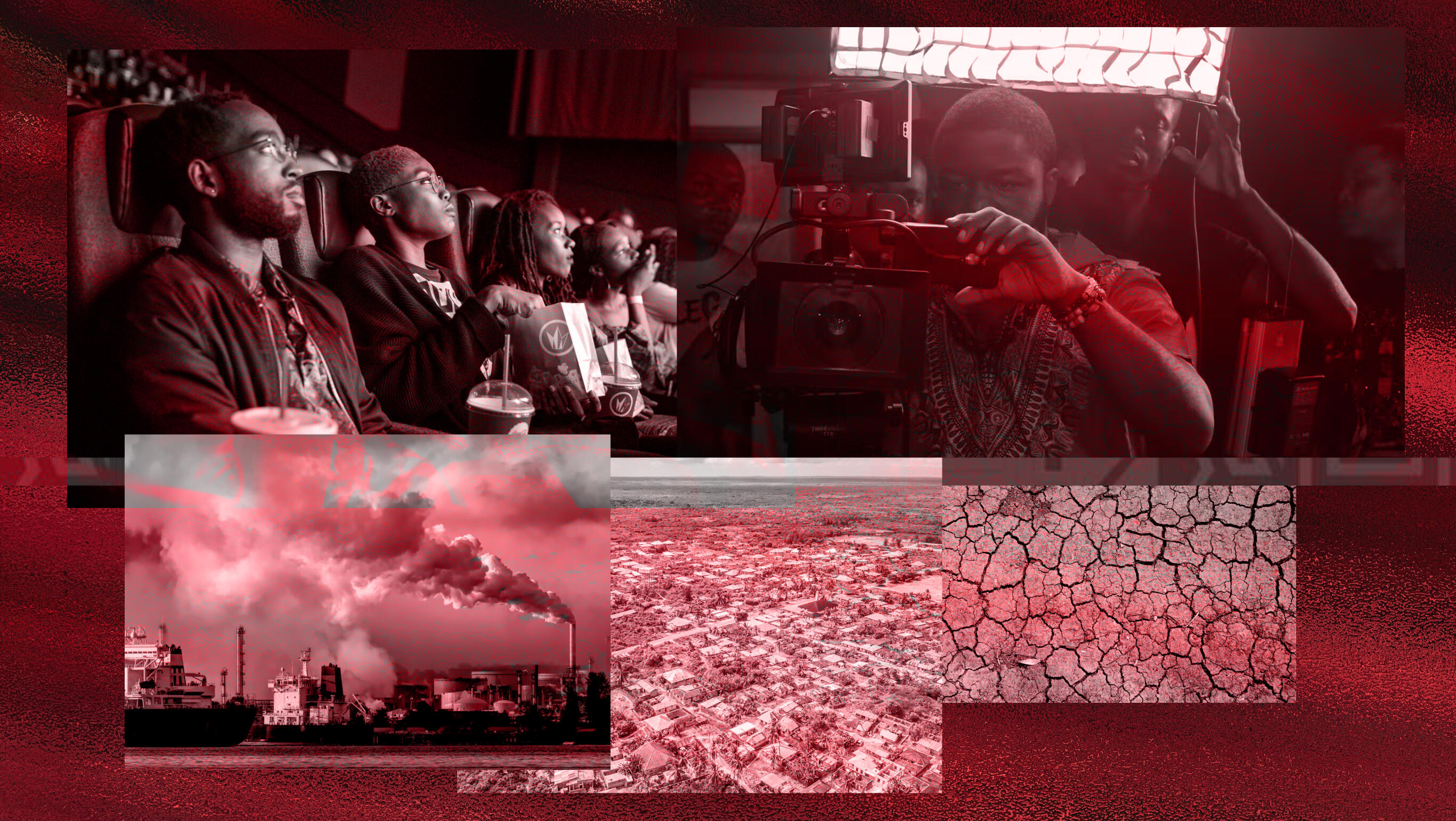
The lights flicker, a camera steadies, and an actor takes a breath before stepping into a story that might outlive them. For decades, Nollywood has done more than entertain; it has documented Nigeria’s fears, hopes, and moments of reckoning. From the haunting tension of October 1 to the courage immortalized in 93 Days, Nigerian cinema has become a mirror reflecting how the country remembers its history.

But what happens when that mirror turns toward the environment?

In 2024, Nollywood generated around $7 million (₦11.5 billion) in ticket sales, a 60% rise from the $4.4 million (₦7.2 billion) recorded in 2023, according to the Cinema Exhibitors Association of Nigeria. These numbers confirm the industry’s growing power to capture and shape public emotion. That same power could redefine how Nigerians understand climate change, pollution, and environmental justice if filmmakers are willing to treat the environment with the same narrative urgency as they have war, gender, or politics.

Storytelling as a Living Archive

Nollywood has long shown that stories can hold memory more vividly than textbooks or data ever could. 93 Days became more than a film about the Ebola crisis; it served as a living archive of national resilience and fear. Half of a Yellow Sun humanized the Biafran War by showing the quiet dread of ordinary lives amid chaos. Citation challenged the silence around sexual exploitation in universities and even inspired policy discussions in the Senate about campus harassment laws.

Films like Black November went further, documenting oil spills and activism in the Niger Delta, giving a face to the crisis that official reports often reduced to numbers. Director Jeta Amata’s storytelling pulled corruption, poverty, and environmental degradation into the public conversation with emotional force.

Every one of these films proves that Nollywood can transform complex social issues into something people can feel. Yet, when it comes to the environment, the country’s most powerful medium still lags.

The Missing Storyline

Nigeria faces floods, deforestation, oil spills, and urban decay that have displaced millions, especially in states along the River Niger and Benue. In Bauchi, Adamawa, and Jigawa, wind erosion and flooding have wiped out homes and farms. These are not distant threats; they are everyday realities.

Despite this, environmental storytelling remains rare in Nollywood’s mainstream. A few documentaries, like Washed Away: The Lagos Erosion Crisis by journalist Laila Johnson-Salami, have sounded the alarm, but full-length feature films have barely scratched the surface. While filmmakers elsewhere in Africa have taken up the challenge, the African Climate Reality Project’s Not on Our Soil in South Africa or Kenya’s Searching for Amani, Nigerian cinema continues to favor the familiar dramas of love, betrayal, and ambition.

The issue isn’t capacity or talent; it’s focus. When filmmakers prioritize only commercial storylines, they leave behind communities whose lives are already shaped by climate and environmental stress.

Film is emotion, not instruction. People don’t remember statistics; they remember stories. If Nollywood wants to influence how Nigerians think about the environment, the approach doesn’t need to be didactic. It needs to be human.

Here’s how that shift can happen:

  1. Through familiar faces and relatable lives. Audiences trust stories that look like their own. Imagine films where beloved actors portray families adapting to floods in Lagos or farmers confronting drought in Jigawa. The emotional connection would turn distant issues into personal realities.
  2. Through emotional truth. Data rarely sparks change, but empathy does. When 93 Days honored Dr. Ameyo Adadevoh and the sacrifice of health workers, it taught courage without ever preaching. Environmental films can do the same by showing human resilience rather than abstract climate warnings.
  3. Through cultural framing. When stories about erosion, deforestation, or waste are told through familiar social and cultural lenses, not as Western imports, they become part of the national conversation. The environment is already part of daily life; films can simply make that visible.

In Lights, Camera, Climate Action, Thelma Ideozu made a point that stood out: filmmakers are not just artists; they are custodians of history. Every shot preserves how a generation saw itself. For this reason, filmmakers must take responsibility for what they create, portraying the past and present as truthfully as possible.

The same care that went into Half of a Yellow Sun or October 1 can be used to archive how communities live with environmental stress. A story about flooding in Makurdi, for example, could record more than tragedy; it could show how citizens rebuild, how informal systems respond, and how government policy shapes recovery. That becomes both heritage and warning.

Since Netflix Africa entered the market in 2016, it has invested over $175 million in local film production, creating more than 12,000 jobs. That investment doesn’t just strengthen the industry; it expands who can see these stories. Streaming platforms are now making Nigerian and African films available to audiences across the continent and beyond.

Environmental stories made today could reach global viewers tomorrow. They could help international audiences see African climate realities through African voices, rather than through foreign documentaries that often miss local nuance.

The Final Frame

The question isn’t if Nollywood can tackle environmental issues; it’s when filmmakers will choose to. The infrastructure, talent, and audience already exist. What’s missing is the conviction that environmental stories matter as much as love stories or political thrillers.

Films can teach accountability as effectively as they entertain. When Citation spurred policy debates, it proved that storytelling can shift power. If a film about sexual harassment could reach the Senate floor, one about flooding, erosion, or waste management could just as easily reach policymakers who shape environmental laws.

Viewers also hold influence. Every ticket, stream, or share tells filmmakers what stories matter. Supporting films that engage with environmental themes sends a signal to the industry that such stories are worth producing.

The next time you press play on a Nollywood film, remember that you’re not only watching entertainment. You’re participating in a national memory one that can document, inspire, and perhaps even change how people think about the ground beneath their feet.

Nollywood has archived wars, pandemics, and cultural change. The next chapter could be about survival, not of cinema, but of the environment that gives those stories life.

If filmmakers embrace that role and audiences demand it, the screen could become one of Nigeria’s most powerful tools for awareness and accountability. The camera has always been a witness. It can now become a call to action.

Share
Clap

Written By

The Insight Desk
The Insight Desk

The Insight Desk delivers strategic intelligence on African sustainability and development for investors, founders, professionals, policymakers, and citizens.

Filed Under

Region:

None

Countries:

Series:

None

SDGs:

None

World Days:

None

More Related Stories

ECOWAS Is Betting Regional Mobility Can Help Solve West Africa’s Graduate Job Crisis

ECOWAS Is Betting Regional Mobility Can Help Solve West Africa’s Graduate Job Crisis

byAdetola AdetayoMar 6, 2026

A 12-month professional immersion programme connects young graduates with real work inside ECOWAS institutions, testing whether regional collaboration can improve employment outcomes.

Read More
Gaborone World Athletics Relays 2026 Raises Hope For Botswana Economic Diversification

Gaborone World Athletics Relays 2026 Raises Hope For Botswana Economic Diversification

byEzinne OkoroaforApr 12, 2026

As Botswana moves beyond diamond dependence, the upcoming World Athletics Relays is being seen as a test case for sports tourism, infrastructure investment, and youth employment pathways.

Read More
Mental Health in Mining Is Becoming a Survival Issue in the DRC and Grassroots Action Is Responding

Mental Health in Mining Is Becoming a Survival Issue in the DRC and Grassroots Action Is Responding

byBlossom AmenaMar 22, 2026

Millions depend on artisanal mining, but conflict and poor conditions are driving distress. Local organisations and peer groups are offering practical support.

Read More
Africa’s Digital Data Fuels Global AI. But Who Owns the Value It Creates?

Africa’s Digital Data Fuels Global AI. But Who Owns the Value It Creates?

byAdetumilara AdetayoMar 15, 2026

New policies, research networks, and open-source AI projects are working to turn Africa’s data into local innovation instead of digital extraction.

Read More
Middle East War Pushes Up Fuel Costs Across Africa

Middle East War Pushes Up Fuel Costs Across Africa

byThe Trending DeskMar 10, 2026

After the February 28, 2026 US–Israel strikes on Iran, disruption in Hormuz and Bab el-Mandeb pushed freight surcharges to $4,000 per container and drove up fuel prices across Africa.

Read More
The Massive Opportunities for African Founders in Health Diagnostics and Last-Mile Care

The Massive Opportunities for African Founders in Health Diagnostics and Last-Mile Care

byThe Insight DeskJan 19, 2026

Outbreaks keep exposing diagnostic delays and last-mile gaps, inviting founders to build fast health diagnostics and delivery tools communities trust.

Read More
Nigeria and Kenya Explore New Ways to Turn Remittances Into Growth

Nigeria and Kenya Explore New Ways to Turn Remittances Into Growth

byThelma IdeozuApr 7, 2026

From diaspora bonds to mobile investment tools, both countries are testing solutions to convert everyday transfers into long-term capital.

Read More
COP30 Showed Why Africa Must Lead the Next Phase of Climate Action

COP30 Showed Why Africa Must Lead the Next Phase of Climate Action

byAdetoro AdetayoNov 26, 2025

The continent isn’t asking for charity; it’s building energy systems, financing models, and industries that could shape the global green economy.

Read More
South Africa Closes Historic G20 Summit Amid U.S. Boycott

South Africa Closes Historic G20 Summit Amid U.S. Boycott

byThe Trending DeskNov 23, 2025

On November 23, 2025, South Africa officially closed the G20 summit’s first-ever African edition in Johannesburg without the customary U.S. handover, putting African priorities in the global spotlight.

Read More
FiSahara and Sahrawi Refugees Show How Storytelling Can Fight Cultural Erasure in Western Sahara

FiSahara and Sahrawi Refugees Show How Storytelling Can Fight Cultural Erasure in Western Sahara

byJessica IrejuMar 27, 2026

From poetry to solar-powered cinema, community-led projects are preserving identity while pushing for recognition and change.

Read More
ECOWAS Is Betting Regional Mobility Can Help Solve West Africa’s Graduate Job Crisis

ECOWAS Is Betting Regional Mobility Can Help Solve West Africa’s Graduate Job Crisis

byAdetola AdetayoMar 6, 2026

A 12-month professional immersion programme connects young graduates with real work inside ECOWAS institutions, testing whether regional collaboration can improve employment outcomes.

Read More
Gaborone World Athletics Relays 2026 Raises Hope For Botswana Economic Diversification

Gaborone World Athletics Relays 2026 Raises Hope For Botswana Economic Diversification

byEzinne OkoroaforApr 12, 2026

As Botswana moves beyond diamond dependence, the upcoming World Athletics Relays is being seen as a test case for sports tourism, infrastructure investment, and youth employment pathways.

Read More
Mental Health in Mining Is Becoming a Survival Issue in the DRC and Grassroots Action Is Responding

Mental Health in Mining Is Becoming a Survival Issue in the DRC and Grassroots Action Is Responding

byBlossom AmenaMar 22, 2026

Millions depend on artisanal mining, but conflict and poor conditions are driving distress. Local organisations and peer groups are offering practical support.

Read More
Africa’s Digital Data Fuels Global AI. But Who Owns the Value It Creates?

Africa’s Digital Data Fuels Global AI. But Who Owns the Value It Creates?

byAdetumilara AdetayoMar 15, 2026

New policies, research networks, and open-source AI projects are working to turn Africa’s data into local innovation instead of digital extraction.

Read More
Middle East War Pushes Up Fuel Costs Across Africa

Middle East War Pushes Up Fuel Costs Across Africa

byThe Trending DeskMar 10, 2026

After the February 28, 2026 US–Israel strikes on Iran, disruption in Hormuz and Bab el-Mandeb pushed freight surcharges to $4,000 per container and drove up fuel prices across Africa.

Read More
The Massive Opportunities for African Founders in Health Diagnostics and Last-Mile Care

The Massive Opportunities for African Founders in Health Diagnostics and Last-Mile Care

byThe Insight DeskJan 19, 2026

Outbreaks keep exposing diagnostic delays and last-mile gaps, inviting founders to build fast health diagnostics and delivery tools communities trust.

Read More
Nigeria and Kenya Explore New Ways to Turn Remittances Into Growth

Nigeria and Kenya Explore New Ways to Turn Remittances Into Growth

byThelma IdeozuApr 7, 2026

From diaspora bonds to mobile investment tools, both countries are testing solutions to convert everyday transfers into long-term capital.

Read More
COP30 Showed Why Africa Must Lead the Next Phase of Climate Action

COP30 Showed Why Africa Must Lead the Next Phase of Climate Action

byAdetoro AdetayoNov 26, 2025

The continent isn’t asking for charity; it’s building energy systems, financing models, and industries that could shape the global green economy.

Read More
South Africa Closes Historic G20 Summit Amid U.S. Boycott

South Africa Closes Historic G20 Summit Amid U.S. Boycott

byThe Trending DeskNov 23, 2025

On November 23, 2025, South Africa officially closed the G20 summit’s first-ever African edition in Johannesburg without the customary U.S. handover, putting African priorities in the global spotlight.

Read More
FiSahara and Sahrawi Refugees Show How Storytelling Can Fight Cultural Erasure in Western Sahara

FiSahara and Sahrawi Refugees Show How Storytelling Can Fight Cultural Erasure in Western Sahara

byJessica IrejuMar 27, 2026

From poetry to solar-powered cinema, community-led projects are preserving identity while pushing for recognition and change.

Read More
ECOWAS Is Betting Regional Mobility Can Help Solve West Africa’s Graduate Job Crisis

ECOWAS Is Betting Regional Mobility Can Help Solve West Africa’s Graduate Job Crisis

byAdetola AdetayoMar 6, 2026

A 12-month professional immersion programme connects young graduates with real work inside ECOWAS institutions, testing whether regional collaboration can improve employment outcomes.

Read More
Gaborone World Athletics Relays 2026 Raises Hope For Botswana Economic Diversification

Gaborone World Athletics Relays 2026 Raises Hope For Botswana Economic Diversification

byEzinne OkoroaforApr 12, 2026

As Botswana moves beyond diamond dependence, the upcoming World Athletics Relays is being seen as a test case for sports tourism, infrastructure investment, and youth employment pathways.

Read More
Mental Health in Mining Is Becoming a Survival Issue in the DRC and Grassroots Action Is Responding

Mental Health in Mining Is Becoming a Survival Issue in the DRC and Grassroots Action Is Responding

byBlossom AmenaMar 22, 2026

Millions depend on artisanal mining, but conflict and poor conditions are driving distress. Local organisations and peer groups are offering practical support.

Read More
Africa’s Digital Data Fuels Global AI. But Who Owns the Value It Creates?

Africa’s Digital Data Fuels Global AI. But Who Owns the Value It Creates?

byAdetumilara AdetayoMar 15, 2026

New policies, research networks, and open-source AI projects are working to turn Africa’s data into local innovation instead of digital extraction.

Read More
Middle East War Pushes Up Fuel Costs Across Africa

Middle East War Pushes Up Fuel Costs Across Africa

byThe Trending DeskMar 10, 2026

After the February 28, 2026 US–Israel strikes on Iran, disruption in Hormuz and Bab el-Mandeb pushed freight surcharges to $4,000 per container and drove up fuel prices across Africa.

Read More
The Massive Opportunities for African Founders in Health Diagnostics and Last-Mile Care

The Massive Opportunities for African Founders in Health Diagnostics and Last-Mile Care

byThe Insight DeskJan 19, 2026

Outbreaks keep exposing diagnostic delays and last-mile gaps, inviting founders to build fast health diagnostics and delivery tools communities trust.

Read More
Nigeria and Kenya Explore New Ways to Turn Remittances Into Growth

Nigeria and Kenya Explore New Ways to Turn Remittances Into Growth

byThelma IdeozuApr 7, 2026

From diaspora bonds to mobile investment tools, both countries are testing solutions to convert everyday transfers into long-term capital.

Read More
COP30 Showed Why Africa Must Lead the Next Phase of Climate Action

COP30 Showed Why Africa Must Lead the Next Phase of Climate Action

byAdetoro AdetayoNov 26, 2025

The continent isn’t asking for charity; it’s building energy systems, financing models, and industries that could shape the global green economy.

Read More
South Africa Closes Historic G20 Summit Amid U.S. Boycott

South Africa Closes Historic G20 Summit Amid U.S. Boycott

byThe Trending DeskNov 23, 2025

On November 23, 2025, South Africa officially closed the G20 summit’s first-ever African edition in Johannesburg without the customary U.S. handover, putting African priorities in the global spotlight.

Read More
FiSahara and Sahrawi Refugees Show How Storytelling Can Fight Cultural Erasure in Western Sahara

FiSahara and Sahrawi Refugees Show How Storytelling Can Fight Cultural Erasure in Western Sahara

byJessica IrejuMar 27, 2026

From poetry to solar-powered cinema, community-led projects are preserving identity while pushing for recognition and change.

Read More